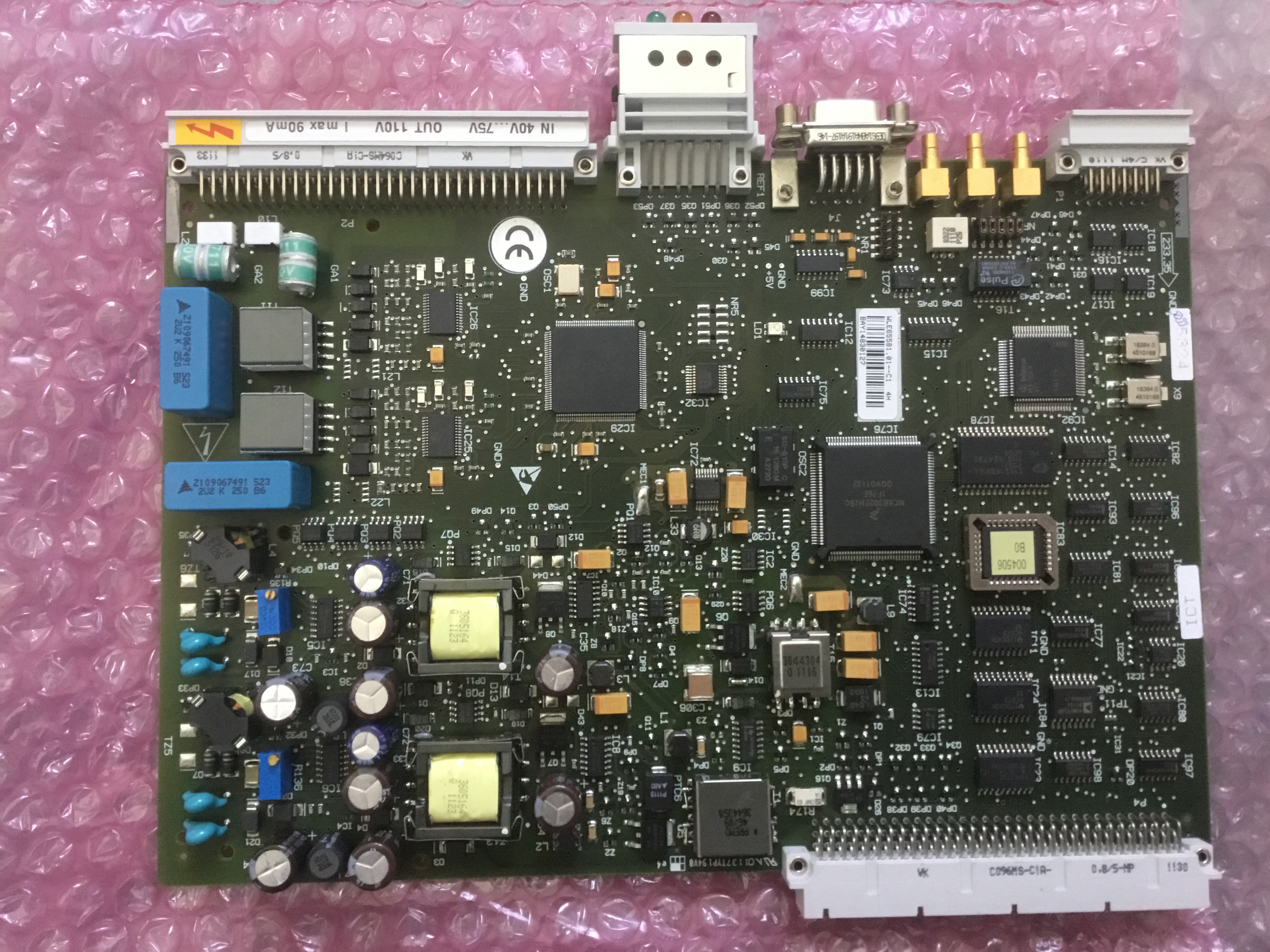
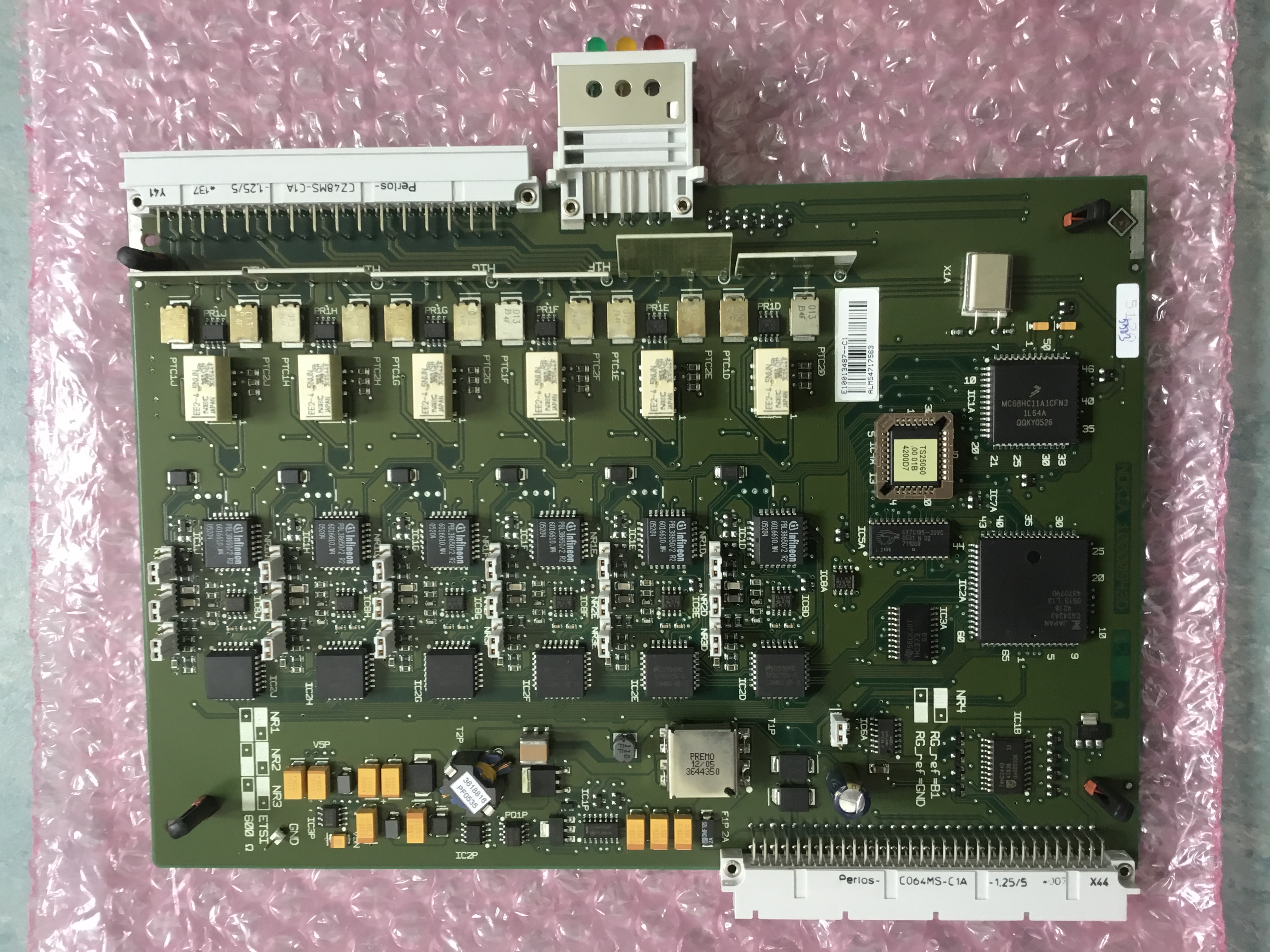
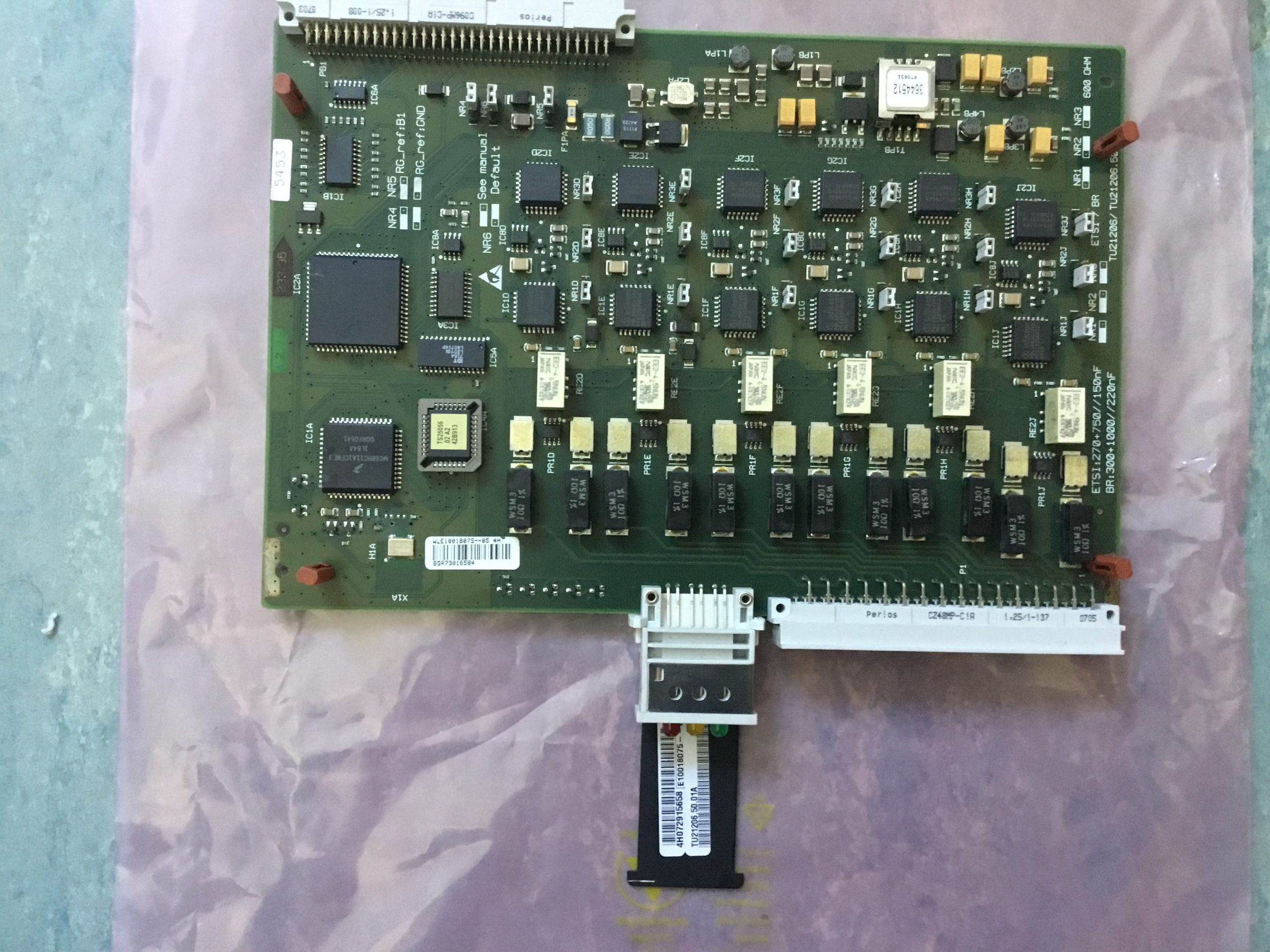
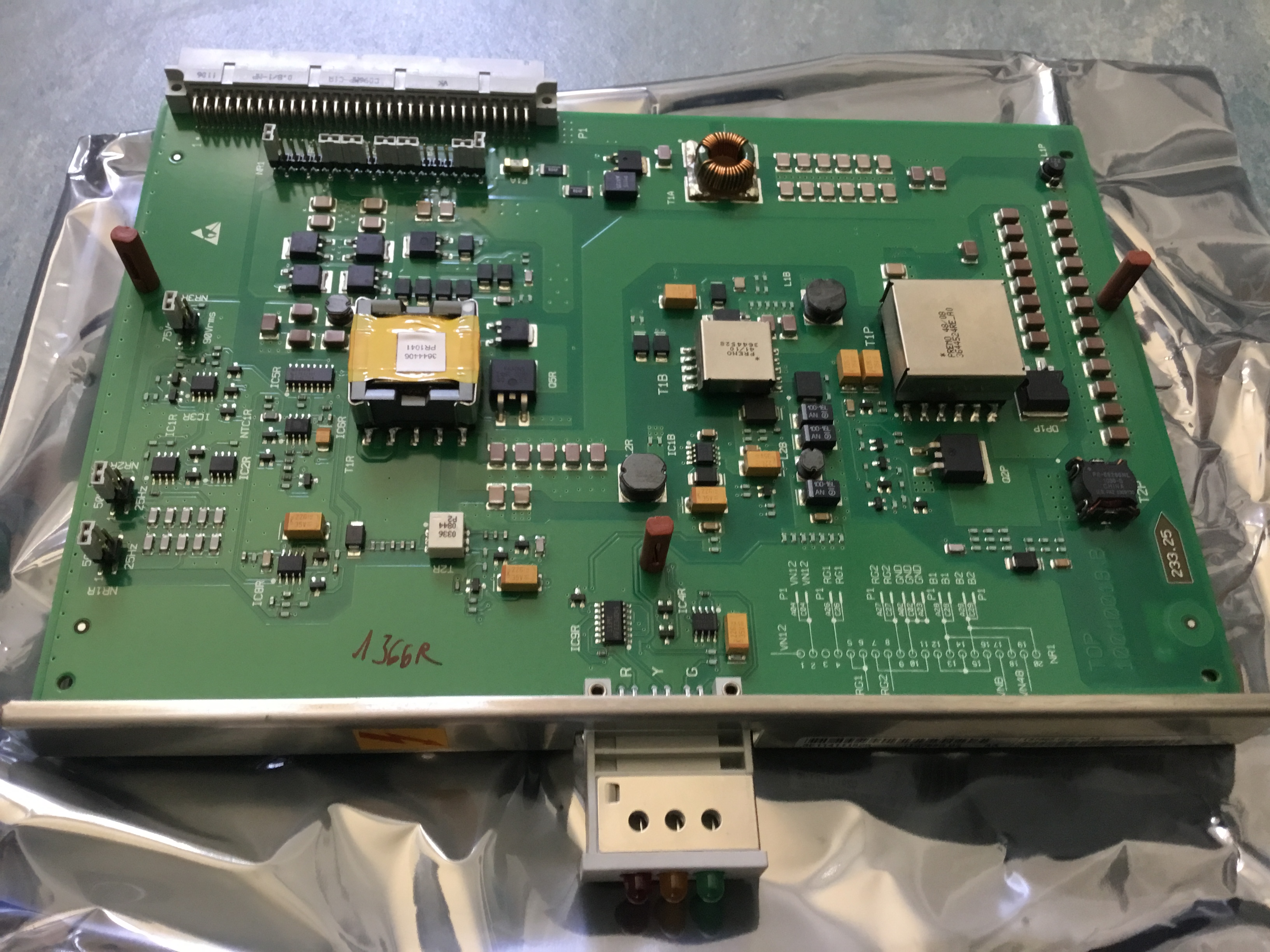
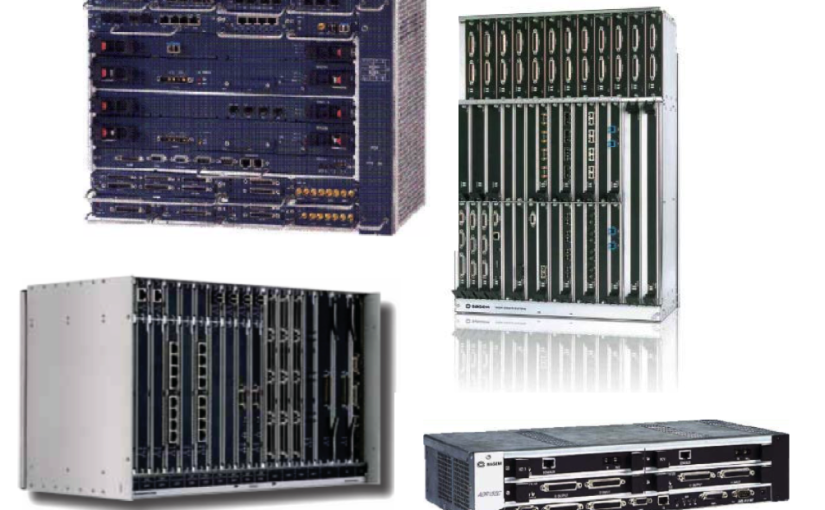
As set out in an earlier blog post, the original UMUX SDH product range was launched in 1991 by Ascom which subsequently became Keymile. The portfolio expanded to include UMUX, LINERUNNER and MILEGATE multiservice communication platforms, along with UNEM network management, and were extensively deployed worldwide. In 2010, Keymile acquired the XMP1 product line from Aastra.
Based on this experience, Keymile in 2016 then launched its ‘next generation’ XMC20 hybrid multi-service Ethernet / MPLS-TP, traditional access and transmission all-in-one network platform, including end-to-end encryption.
The mission-critical business of the Keymile Group, that focussed particularly on Rail, Oil and Gas markets, was sold to ABB in 2017, while the residual Keymile company telco business was purchased in 2019 by DASAN Zhone Solutions Inc (a merger company formed in 2016 from DASAN Network Solutions and Zhone Technologies), renamed to DZS in 2020. Licensing arrangements enabled ABB-Branded XMC20 products to be supplied to ABB’s business market shares, along with ABBs long-standing FOX 515 and 615 PDH/SDH/Hybrid platforms.
Subsequently the UMUX, LINE RUNNER, MILEGATE, XMP1 and FOX515 product lines were discontinued, in favour of the XMC20 and FOX 615 portfolio.
In 2020 the joint venture Hitachi ABB Power Grids was established, with Hitachi acquiring 81.1% ownership. Hitachi completed the purchase of the remaining 19.9% stake in 2022, rebranding as Hitachi Energy in 2021 to reflect the new ownership.
DZS filed for Chapter 7 bankruptcy in 2025. Canada’s MNSi (Managed Network Services Inc.) acquired the assets and formed a new US-based company, Zhone Technologies Inc.
Continuing to provide critical infrastructure services
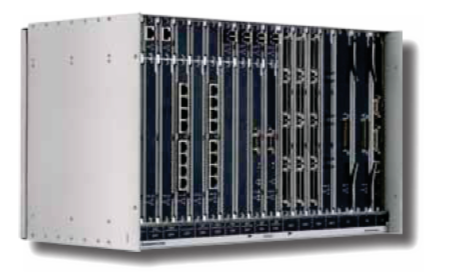
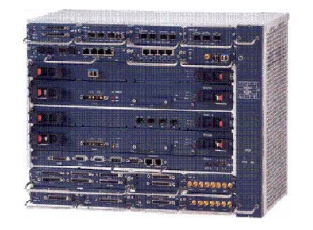
The XMC20 Hybrid Multi-Service Platform for Ethernet / MPLS-TP and traditional services provides an all-in-one network element. The XMC25, XMC23 and XMC22 subracks, providing 4, 8 or 21 slots for core units, line cards and gateways offer multi-service features in compact and scalable housings designed for harsh environments.
It offers a modular architecture providing a wide range of interfaces, services and technologies and high reliability required by mission critical networks.
Keeping Customers Operational
@YellowsBestLtd with our aim of Keeping Customers Operational assist with seeking out new products and legacy equipment spares to maintain new and well-established systems, as well as built-to-order cables and connectors to suit exact requirements, so please contact us if there is anything you require.
Given the investment that has been made over many years, coupled with the fact may operational requirements have not changed, it makes sense to keep systems in place. And it can be the case that suggested replacements cannot provide equivalent operational lifetimes which therefore become obsolete faster than existing deployments. By suppling spares, offering repair services and technical assistance, we are able to support these aims of continued operational service.
Refurbished and Surplus Spares in Demand
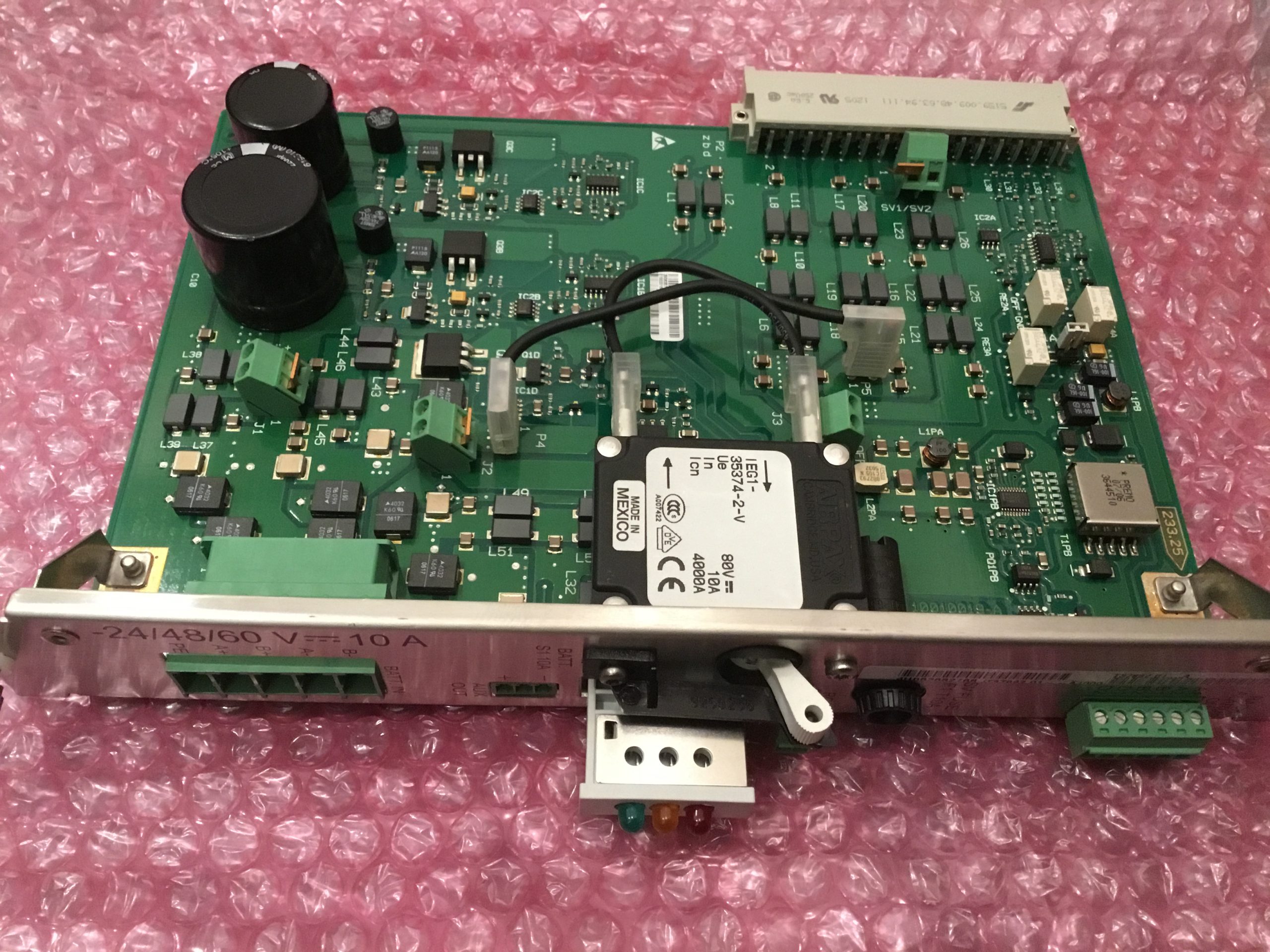
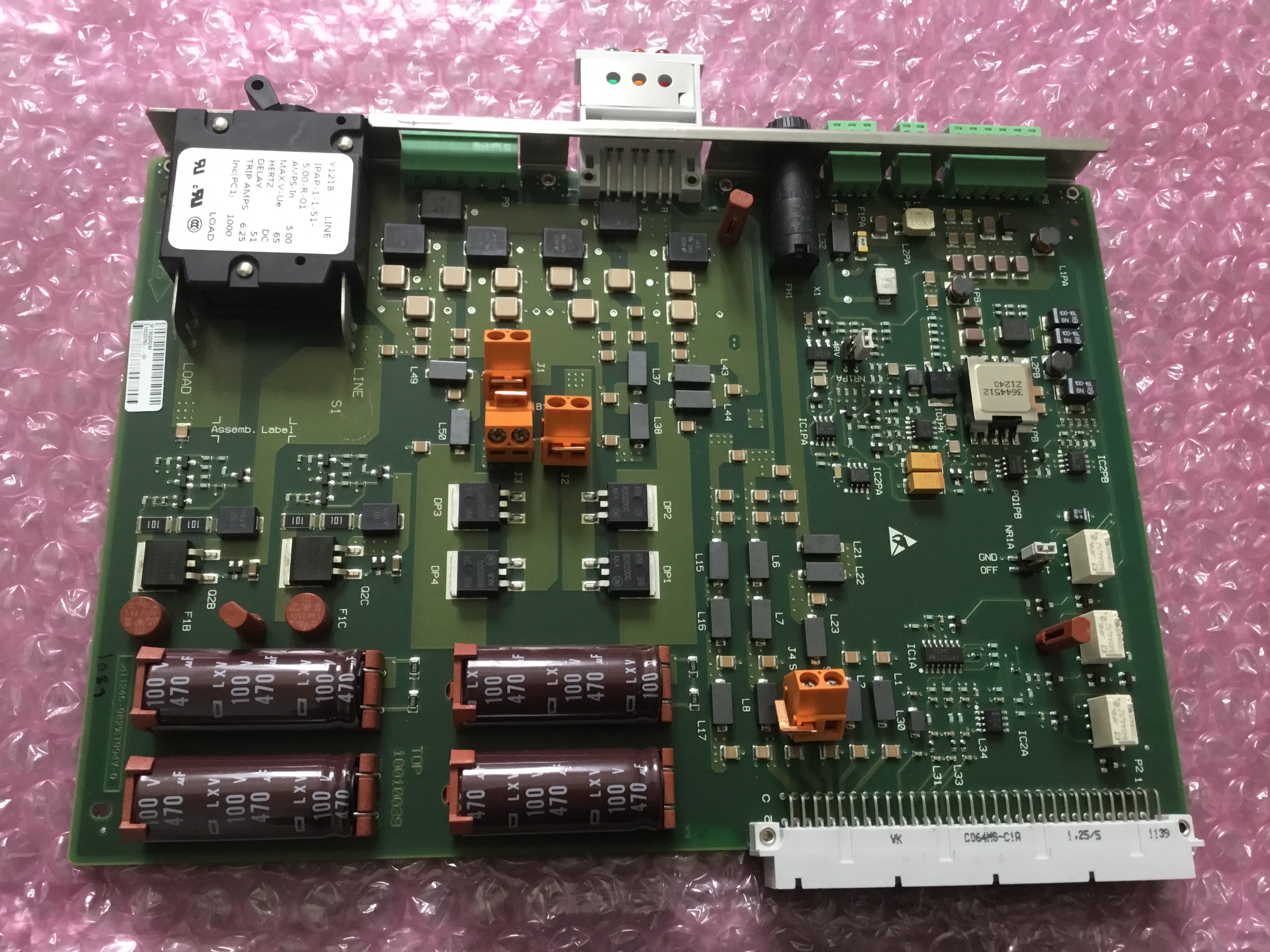
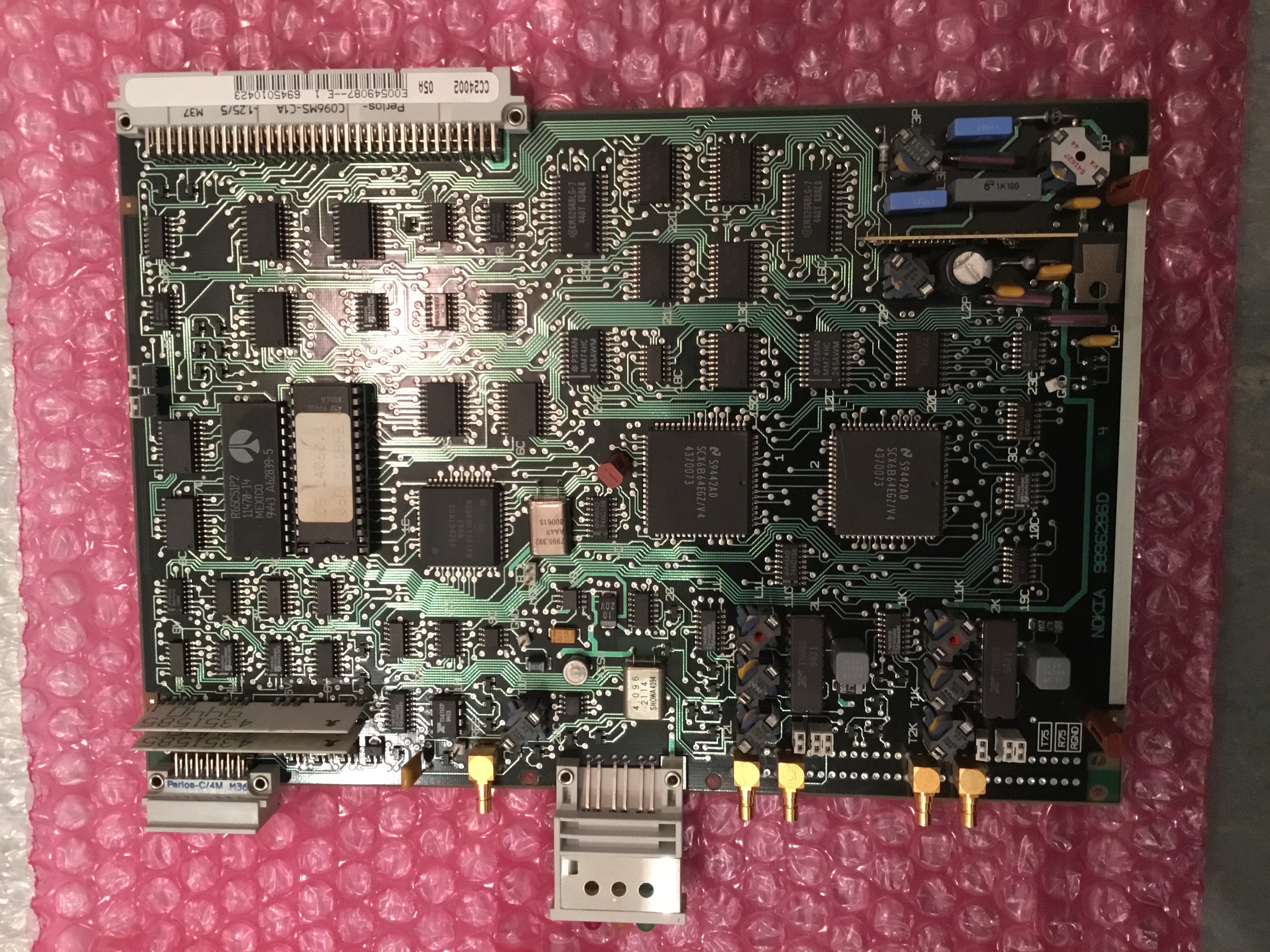
Since these product families continue to prove their excellent availability and reliability to customers, we continue to provide stock of many of these items, either in new, surplus or refurbished condition. Current stocks include:
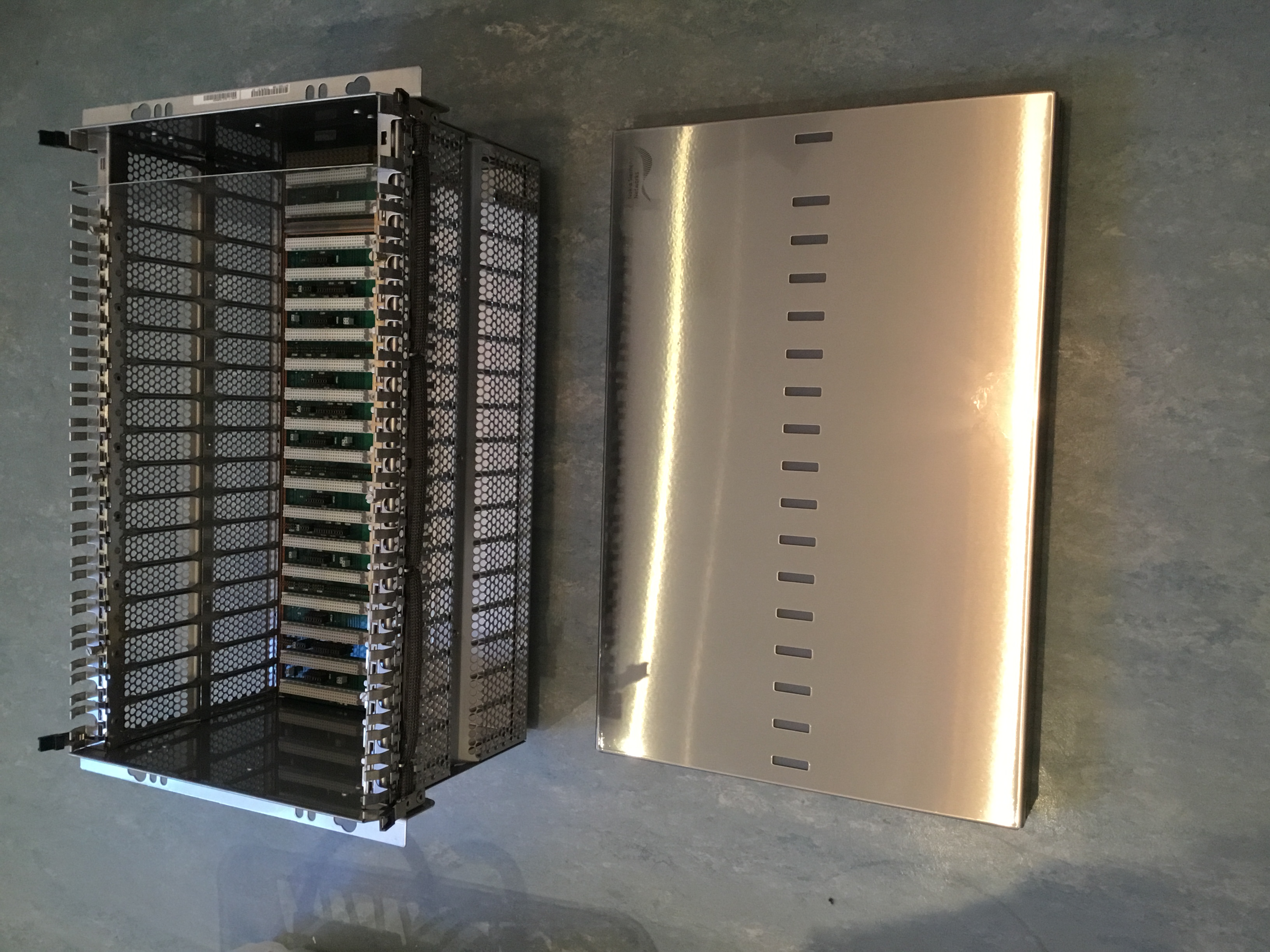
Chassis: MXMC25, MileGate (can be converted to XMC20 via software load)
Certain product elements are from time-to-time sought after in order to maintain operations of deployed systems or keep stocks of spares at levels to ensure that SLAs for maintenance and support are achieved.
We are currently interested in locating these products:
XMC20 ETO12 – Ethernet unit providing 12 Ethernet interfaces for optical or electrical SFP modules.
MileGate SUE12 – High density Ethernet line card for business services and advanced IP applications
MileGate SUE16 – High density active Ethernet Fibre-to-the-Home (FTTH) line card for residential subscribers
We would be keen to hear from you should you be able to supply these parts, or alternatively whether we can be of any assistance with your solution requirements for legacy systems and new technologies, so please let us know !
For decades, various communication protocols have been utilised to connect telecommunications and computer hardware devices over short and long distances. To avoid incompatibility problems, standards were formulated and agreed, but meanwhile, a continuous drive to provide improved performance has meant an evolution of various alternatives.
Today with the dominance of USB, there are connector types and associated data protocols that have become almost universal for the wired serial connection of new devices over short-distances (when the use of wireless alternatives like WiFi and Bluetooth are not possible or appropriate). Whilst Ethernet has become the preference for local IT networks, for long-distance telecommunications, fibre-optic transmission is providing the benefits of reliable high bandwidth services.
Maintenance of legacy standards for connecting and communicating
Despite this, many older infrastructure systems and devices continue to utilise historic protocols and connections, and so it is still of benefit to recognise and be able to maintain ways to interoperate. There follows a non-exhaustive overview and comparison of the most popular standards and types of serial data communication methods.
RS-232 (V.24 / V.28)
Introduced way back in 1960 by the Electronic Industries Alliance (EIA), this is probably the longest surviving communications standard, but over time due to various revisions and lack of uniformity of connector types and connections, incompatibilities can arise. This resulted in the need for conversion cables, gender changers, etc.
It is a serial, full-duplex, unbalanced, single ended communications standard which has limitations in terms of transmission distance, noise immunity and operating speed, and can only be used for point-to-point connections.
Given its age, it pre-dates most of modern computing, and was established for the relatively new purpose of communicating between a teleprinter, designated as the Data Terminal Equipment (DTE) and a modem, the Data Communication Equipment (DCE). The standard defines a range of ‘circuits’ (pin assignments) which include data – TxD (transmit) and RxD (receive) – along with various control signals such as DTR (data terminal ready), RTS (request to send) and CTS (clear to send).
When directly connecting two DTEs, such as two computers without using modems, a ‘null modem’ or cross-over cable is needed to swap the connections between the transmit / receive data and control lines.
Over the years, this extended to the uses of connecting computers to various peripheral devices like printers, as well as to other computers. Most PCs then came to be equipped with a “D-Type” port, initially for 25-pin connectors but eventually 9-pin became much more common.
Voltage levels are defined for the signals, in the range of -3V to -15V i.e. negative voltage representing a logic ‘1’ (mark) and between +3V to +15V i.e. positive voltage as logic ‘0’ (space). The range between -3V and +3V as invalid, and typically voltages are expected between +/5V to +/-12V whilst peak voltages can up to +/- 25V.
RS-232 TTL
This variant to the RS-232 standard is designed for more convenient interoperation with low voltage circuits over shorter transmission ranges. This specifies a positive voltage of +5V representing logic ‘1’, and 0V for logic ‘0’, which unfortunately can cause operational difficulties through confusion regarding the deployed types. Naturally, this requires correct interfacing and use of converters to provide the required voltage level shifting and inversion between variants.
RS-423 (V.10 / X.26)
Originally designed and launched in 1975 as a replacement for RS-232, offering longer distance and faster speed communication, it failed to become widely adopted. It did however feature on the BBC Micro in the 1980s, utilising an unusual 5-pin DIN connector.
Sharing similarities with RS-232 as a serial, full-duplex, unbalanced, single ended communications standard, it notably adds multi-drop capability, making it possible for one transmitter to send data to up to 10 receivers. It’s voltage range is restricted to +/- 6V, with the driver output between +3.6V to +6V representing logic ‘0’ and -3.6V to -6V for a logic ‘1’.
RS-422 (V.11 / X.21)
This standard, also launched in 1975, provides serial, simplex, balanced, differential communications. Like RS-423 it provides multi-drop capability for one transmitter and 10 receivers.
It was more successful as an upgrade to RS-232 as it provided better noise immunity through the use of twisted pairs of conductors carrying two differential data lines. Full-duplex communication is provided by using 4 wires and two transmitters and two receivers to send the data in both directions.
The differential voltage between the pair of transmit lines and pair of receive lines determine the logic states, rather than the nominal 0V to 5V signals compared to ground, with the maximum common-mode voltage in the range +/-7V.
Typically, line A (or Y) is labeled TxD- / RxD- and is the non-inverted signal and line B (or Z) is TxD+ / RxD+, which is the inverted or complement of the same signal. Then B greater than A usually represents logic ‘1’, following the RS232 convention that this state is represented by a negative voltage, in this case line A of at least less than -0.2V with respect to B. Conversely, A higher than B by at least more than +0.2V, therefore represents logic ‘0’.
It is important to assign these lines correctly; for instance, on a Nokia DM2 multiplexer, the UR / UT specifications for the MI service interface assign logic ‘1’ to a negative voltage, but this doesn’t make it clear whether this is referring to B >A or A > B. In practice, this can be addressed simply by reversing the two input and/or the two output A & B connections should the opposite assignment apply.
RS-485
This standard came out in 1983, and brings further enhancements over RS-232 whilst retaining a degree of backwards compatibility with RS-422. It provides serial, semi-duplex, balanced, differential communications. Like RS-422 it uses twisted pairs of differential data lines to provide improvements to transmission distance, noise immunity and operating speed. But through use of bidirectional transceivers, it only requires 2 wires to provide both directions of data transfer (though not at the same time, i.e. semi-duplex).
This can be upgraded to 4 wire full-duplex operation by adding an additional pair of transceivers, but in practice this is not necessary unless for interworking with existing RS-422 components. It extends transmission capability to true multi-point communication, with the possibility for use of up to 32 transmitters and 32 receivers, by means of a tristate mode so that drivers are switched off when not transmitting.
Usually, line A is named D- as the non-inverting signal and line B is its complement, the inverted signal named D+, such that when the voltage of D+ is high, D- is low. With B greater than A by +0.2V then this represents logic ‘1’. The opposite polarity, resulting in a voltage difference of B lower than A by -0.2V, is therefore logic ‘0’.
Its improved maximum common-mode voltage range of -7V to +12V aids its ability to operate in multi-point configurations, allowing for wider differences in ground potential between the drivers and receivers.
Conversion between RS-422 and RS-232
This naturally loses the RS422 advantages of differential data for noise suppression and transmission distance.
For RS232 a negative voltage is logic ‘1’; when the device transmits this to the RS422 RxD- or A input the differential voltage with respect the RxD+ or B input held at GND is B > A i.e. logic ‘1’. Whereas with a positive voltage from the RS232 device the RS422 input differential voltage is A > B, equating to logic ‘0’.
However, when the RS422 TxD- or A output is low it could be the case that this not as negative a voltage as the -3V the RS232 device is expecting, and so technically is invalid according to the specification. However, in practice for many devices their operating threshold is beyond -1.5V and since B > A it is interpreted anyway as logic ‘1’. When the RS422 TxD- or A output is high, A > B which results in logic ‘0’ at the RS232 receiver.
Interconnection of RS-485 and RS-422
Since RS-485 transceivers are generally ‘backwards compatible’, they can be applied to interface with existing RS422 devices. For full-duplex communication, 2 transceivers are used in the 4-wire configuration of RS422, and the semi-duplex capabilities of RS485 are ignored. Plus the RS422 restrictions of only one driver and up to 10 receivers per transmission direction apply.
The RS422 driver TxD+ and TxD- lines are respectively connected to the D+ and D- pins of a RS-485 device acting as a receiver. Similarly, the D+ and D- pins of a RS485 device acting as transmitter are connected to the RxD+ and RxD- lines of the RS422 receiver(s).
Comparison with USB
Whilst USB has become the De Facto standard for modern short distance wired connections, it is useful to compare this against the legacy protocols in order to understand the similarities and differences, and why it may be important to maintain or even extend existing interconnections.
USB 1.0 / 2.0 provide serial, semi-duplex, balanced, differential communications, analogous to RS-485 whilst offering much faster communication packaged in a smaller and more convenient 4-pin form-factor.
USB 3.0 uses two additional pairs of conductors in a compact 9-pin connector to operate full-duplex like RS-422, whilst maintaining backwards compatibility with older USB connections, and provides various further improvements including even faster ‘SuperSpeed’ transmission.
However, USB only provides for point-to-point connections, with lower power and limited to TTL voltage levels, and as a result shorter transmission distances.
In conclusion, the choice of use depends on the various differing applications such as the interconnection of computer peripherals, industrial control, remote monitoring and multi-device connections.
Consequently, for legacy interworking and improved performance over longer transmission distances with wider voltage ranges, dedicated USB to RS-232 / RS-423 / RS-422 / RS-485 converters are available.
Keeping Customers Operational
@YellowsBestLtd with our aim of Keeping Customers Operational assist with seeking out new products and legacy equipment spares to maintain new and well-established systems, as well as built-to-order cables and connectors to suit exact requirements.
We would be keen to hear your experiences of using communications protocols and whether we can be of any assistance with your solution requirements for legacy systems and new technologies, so please get in touch!
What it means for old and new mobiles and services
These days most people are used to upgrading their smartphones every couple of years or so to the latest offering. So they shouldn’t have any issues with the switch off of 3G networks, as the newest devices are all likely to support 4G and 5G services. But that isn’t universally the case for old products.
There exists a significant minority of ‘legacy’ users, loyal fans of some outstanding older mobile phones.
Everything from the basic Nokia 1100 with its amazing 400-hour between charges standby time which sold 250 million units to become the world’s biggest selling electronic device. See the handy ‘Brick’ 1100 emulator if you somehow missed it.
Through to advanced and sophisticated gadgets so well built, once considered the finest of their type, that they have continued to find use to this day. Such as:
The Nokia N95 with its 5MP camera, GPS, mapping capabilities and innovative dual-sliding ‘multimedia computer’ form-factor, hailed as one of the best mobile phone devices.
Nokia N95
The Nokia E90 ‘Communicator’ representing the final development of the PDA style full QWERTY keyboard clamshell series of ‘Communicator‘ products which arguably initiated the ‘smartphone’ concept way back in 1996
Nokia 9210, 9500 & E90 ‘Communicators’
The Nokia E71 (along with variants E61, E63, E72 and E5) providing an ultra compact QWERTY keyboard messaging phone aimed at business users and considered one of the finest of Nokia devices
Nokia E71
The Nokia N8 touch screen based smartphone which was considered at the time as the best camera phone, and its successor, the Nokia 808 ‘Pureview’ is still recognised as having the greatest resolution of any cameraphone with its 41MP image sensor.
Nokia N8
The technology revolution
In retrospect, these were the pinnacle of ‘mobile phones’; devices that commenced with basic telephony and had various functions added, including text messaging, contacts, email, clock, calculator, a camera and GPS.
What replaced them were the ‘internet slates’; products whose heritage came from personal computing, and generated an explosion in applications development providing productivity, news, social media and games. This ‘revolution’ has resulted in ‘voice’ being just another ‘app’ provided as part of the data bundle, rather than the central purpose of use. But for some, a ‘mobile phone’ is all they need to carry to keep in contact whilst out and about, preferring to keep ‘computing tasks’ separate and best served on a laptop or desktop computer.
Technology updates , business developments and shifts in consumer preferences couldn’t alone completely ‘kill off’ these iconic products from yesteryear. This is despite the end of production and support of old Nokia phones and subsequent Windows Mobile devices, or indeed anything else to rival today’s iPhone / Android duopoly. Despite Nokia’s overall demise, next generation ‘Nokia’ branded mobile phones are now made and sold by HMD and certain software functionality has lived on, such as ’Nokia maps’ which now exists as ‘HERE WeGo’
HERE WeGo maps & navigation application
The ‘end of the road’ for old hardware
But now finally the end of the road is in sight for the old mobile phone hardware.
The ‘issue’ is the industry and government ‘switch off’ of the old 3G networks, already actioned in the U.K. by EE, Three and Vodafone in 2024 and to be completed by Virgin Media O2 in 2025. This means that mobile phones that don’t support 4G will cease to be able to use data services and functionality. The Mobile U.K. guide confirms this switch off timetable.
Perhaps confusingly, some 2G networks are to operate for awhile longer. Although Virgin Media O2 plans to close their 2G service this year and Three never launched 2G in the first place, EE and Vodafone have no plans yet to close 2G before the agreed deadline of 2033. Though this could change and services may end much earlier.
So this means basic telephony and text messaging should continue for now to be available on legacy hardware. And it’s possible that some networking functionality may be accessed using WiFi, if supported by certain old phone models.
This is the tenth year of YellowsBestLtd supporting Customers with requirements for #Business Development, #Enterprise Support, #Sustainable Solutions, #Technologies and Products.
We would love to hear your experiences regarding legacy and new devices and infrastructure; please get in touch with any enquiries for Consultancy, Spares, Repairs and Support services. We hope to be of assistance!
Continuing in Operation, Still Available for Supply
The ‘Dynanet’ product family is a range of PDH telecommunications products first launched by Nokia over 20 years ago. This equipment has proven to be incredibly reliable and dependable, extensively deployed by Operators, Utilities and Transport companies to provide resilient and highly available transmission networks.
A continuing challenge for public and private network owners is the ongoing maintenance of infrastructure systems to support their business needs. In many cases, it makes sense to continue to operate legacy systems which are still fulfilling unchanged requirements, rather than contemplate costly and time-consuming change-outs and replacements.
Keeping Customers Operational
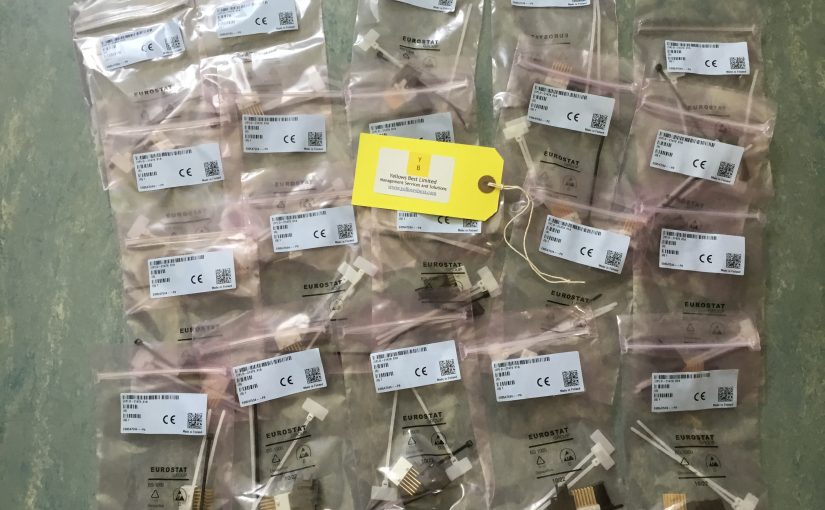
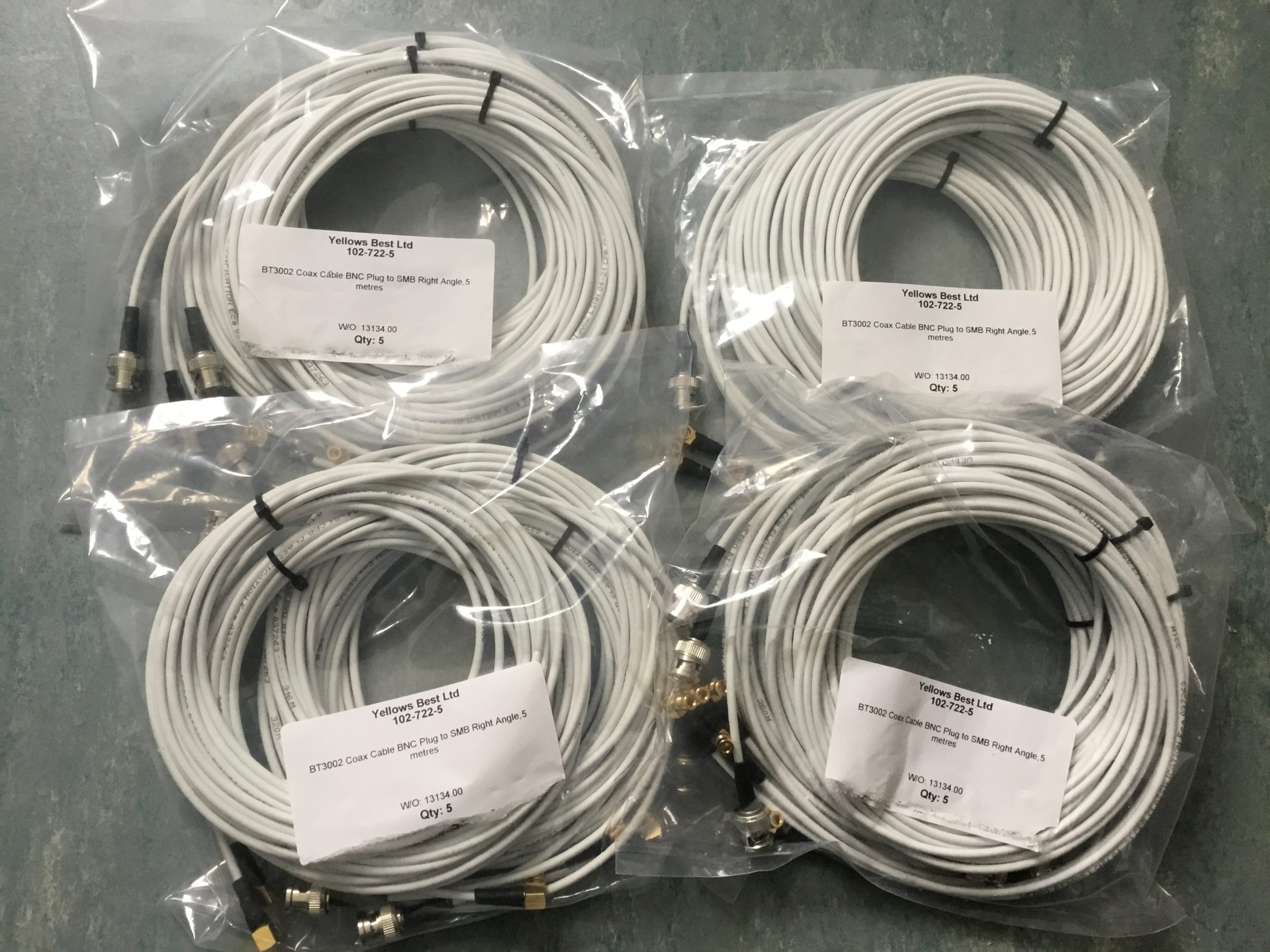
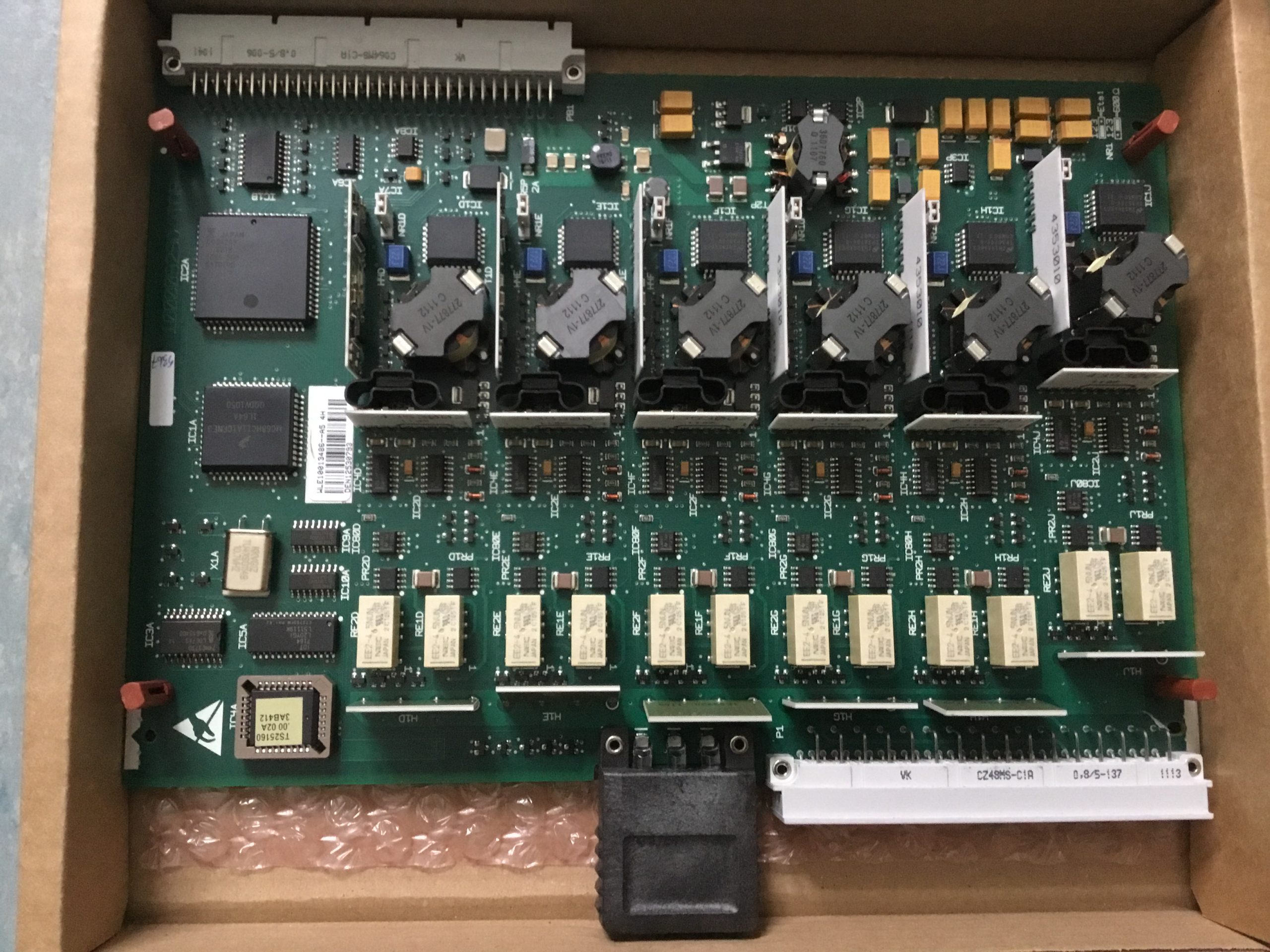
@YellowsBestLtd seeks out new products and legacy equipment spares to assist with these aims. Recent enquiries have been fulfilled supplying refurbished and surplus stocks of equipment cards, as well as built-to-order cables and connectors to suit exact requirements.
There follows a few examples of items we have recently supplied. Also, our more extensive Definitive ‘Dynanet’ spares list here provides details of many items still available from surplus and refurbished stock. We would welcome any enquiries for the supply of similar or alternative parts, or support services to provide hardware repairs. Please get in touch; we look forward to hearing from you!
A continuing challenge for public and private network owners is the ongoing maintenance of infrastructure systems to support their business needs. In many cases, it makes sense to continue to operate legacy systems which are still fulfilling unchanged requirements, rather than contemplate costly and time-consuming change-outs and replacements.
@YellowsBestLtd seeks out new products and legacy equipment spares to assist with these aims. Recent enquiries have been fulfilled supplying refurbished and surplus stocks of equipment cards, as well as built-to-order cables and connectors to suit exact requirements.
There follows a few examples of items we have recently supplied. We would welcome any enquiries for the supply of similar or alternative parts, or support services to provide hardware repairs. Please get in touch; we look forward to hearing from you!
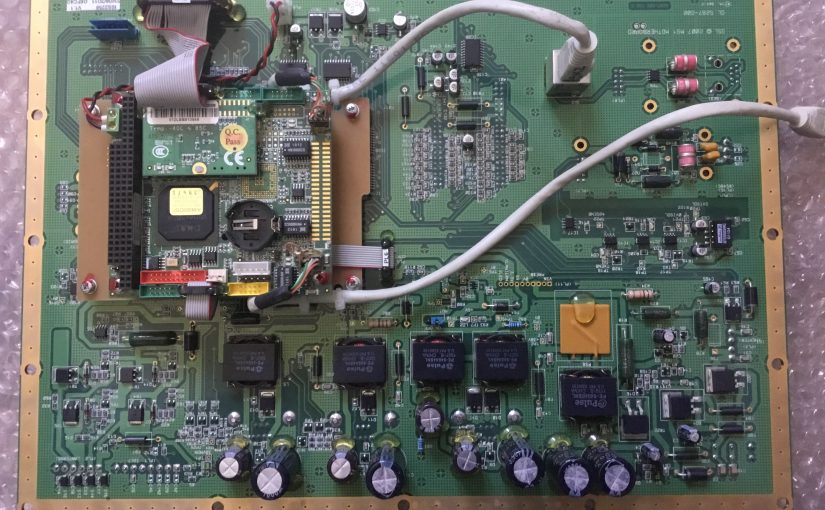
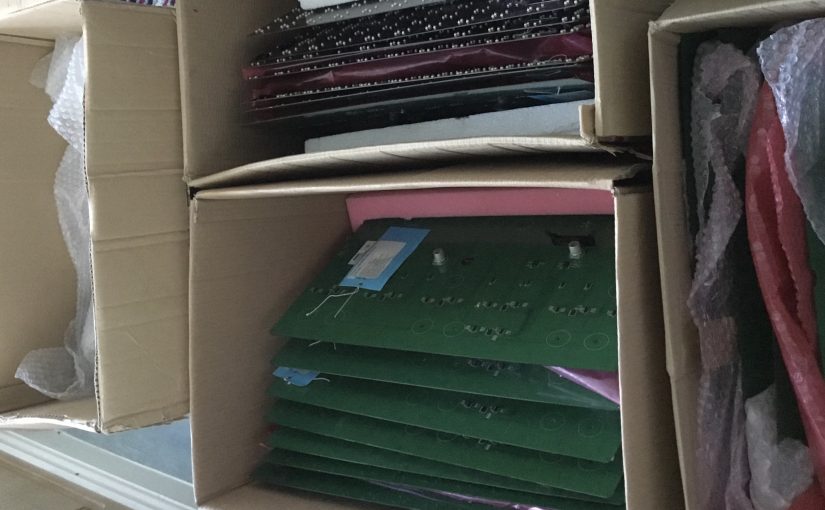
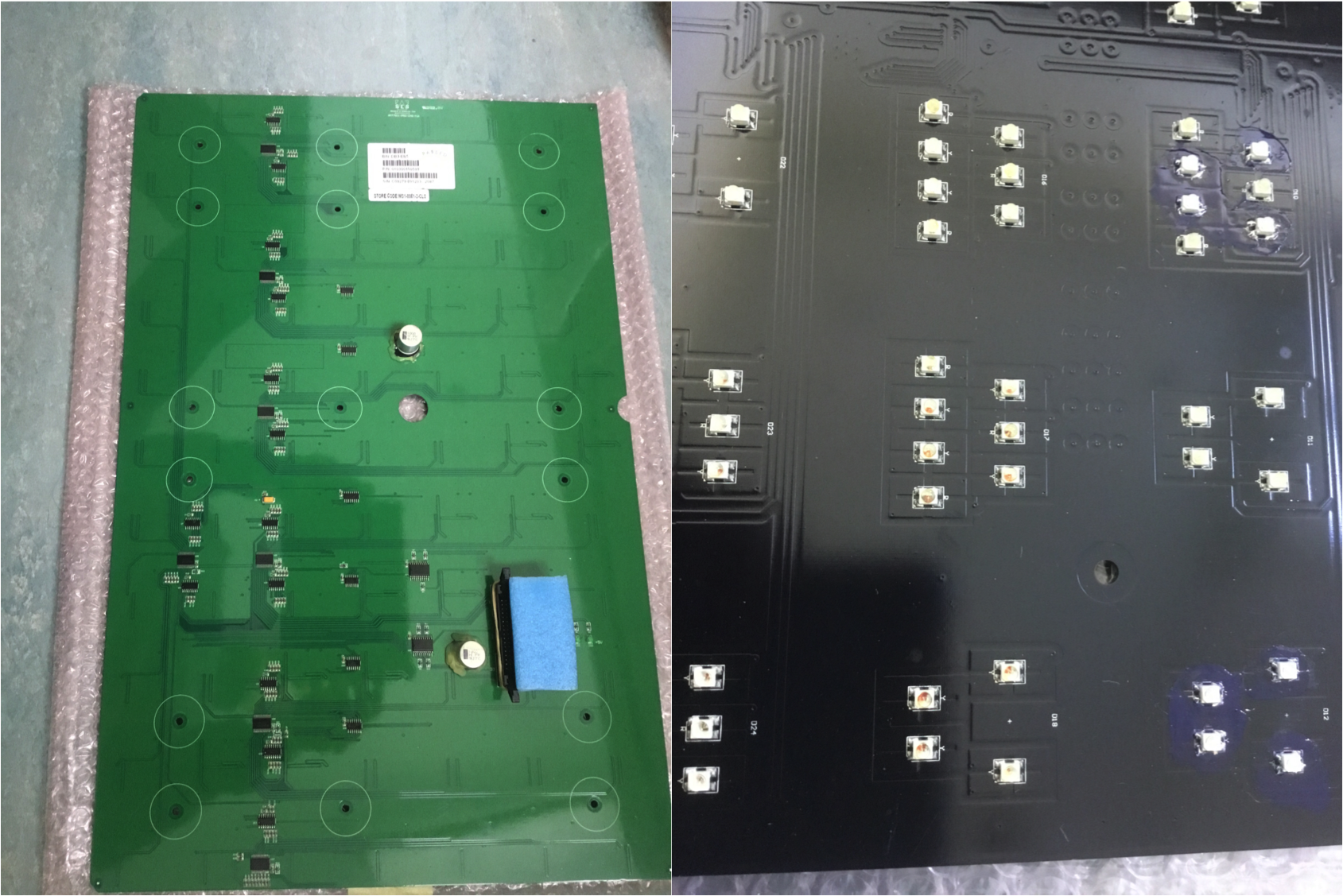
Repairs to elements such as modules and cards of infrastructure hardware is one way we achieve our mission of “Keeping Customers Operational”. A good and recent example is Motherboards for display systems. These are from established, long-standing and therefore proven and fit-for-purpose systems. It therefore makes sense to maintain and extend the life of these parts.
Typical with such ‘legacy’ elements is that the level of complexity of the items is not excessive, meaning that repairs using discreet components is perfectly feasible, unlike more modern integrated systems which use specialised parts that cannot be freely or cheaply obtained or impossible to disassemble resulting in them being classed as ‘BER’ (Beyond Economic Repair). This is ultimately costly and disruptive, requiring wholesale replacements.
@Yellowsbestltd would be keen to hear from you should you have any repairs requirements. We would welcome receiving any defective items you have in order to perform a no-cost assessment to establish the feasibility and likely cost of restoration. Please get in touch to let us know how we can help.
Call out for any requirements for Network Management Systems cables
In addition to satisfying world-wide customer product sourcing requirements for current and ‘legacy’ equipment technologies, @YellowsBestLtd also seeks out peripheral items such as Network Management System (NMS) cables.
These items may be minor in nature and originally low-cost, but they are vital for continued use and configuration of transmission nodes via management systems which evolved way before modern wireless technologies and smart phone ‘app’ based tools. Such specialist cables are becoming increasingly hard to find, since once used and damaged, they are likely to be disposed of rather than refurbished, and no new replacements are being produced.
However, in the absence of surplus stocks, it is possible for us to arrange for the manufacture of specialist cabling products including those for NMS. Due to the particular nature of the connectors utilised, these have to be specially sourced, but the cable materials themselves can be specified and applied accordingly. However, it is the orginal design information that is most critical to obtain the right functionality and compatibility.
Whatever your requirements, if you are seeking equipment or cabling for new or legacy systems, then please let us know as we can usually assist. We look forward to hearing from you.
Call out for any stocks of Keymile’s Dual Power Input Modules (DUPI4)
@YellowsBestLtd we satisfy world-wide customer product sourcing requirements for current and ‘legacy’ equipment technologies from a wide range of Original Equipment Manufacturers (O.E.M.s).
In particular, we have stocks of surplus and refurbished products from the Keymile UMUX range which we are able to supply to assist customers in maintaining their operational networks.
However, one item not in our stocks that is of immediate interest to several of our clients is the Dual Power Input Modules (DUPI4).
We are urgently seeking supply; if you can assist, please get in touch!
These items provide the ultimate power protection upgrade:
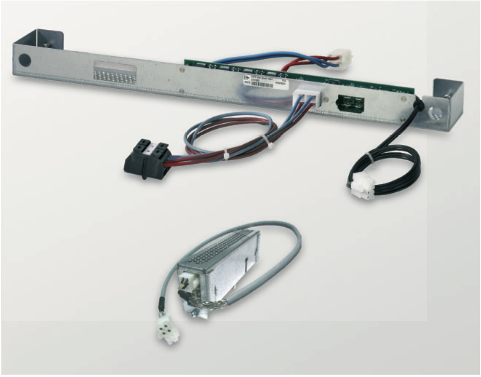
Unit centralises alarm functionality and power input control
Delivers built-in redundancy
Power protection for both sub rack and fan unit
Increased the VDC availability
The DUPI4 acts as a dual input power decoupler that selects between two independent VDC power feeds and delivers them directly to the sub rack’s power input. Thus, the DUPI4 ensures uninterrupted service delivery since the power feed change over is instantaneous.
‘Legacy’ telecoms history
The UMUX SDH product portfolio was originally launched 1991 by Ascom, which subsequently became Keymile. Keymile was sold to ABB in 2017 when the UMUX range was discontinued, and then was acquired in 2019 by DZS.
Comprehensive Functionality
The UMUX platform provides carrier-grade reliable multi-service multiplexing and aggregation functions over copper and fibre networks. A variety of voice (POTS, FSX, FSO, ISDN) and data (e.g. G.703, V.11, V,24, V,35) interfaces, SHDSL and Ethernet (including PoE+ and EoS) services are available.
UMUX module range
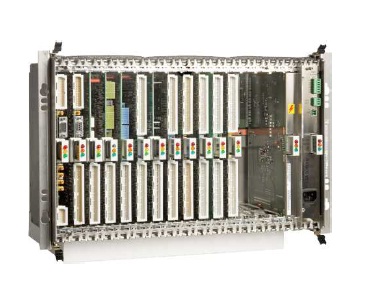
The modular and flexible housing provided by the UMUX 1500 (8U, 21-slot) and UMUX 1200 (4U, 8-slot) 19” subracks provide the perfect solution for all applications and locations, offering redundant controller and power supplies.
Spares for continuing to provide operational service
The UMUX, together with the UNEM network management system and ‘sister’ LINERUNNER and MILEGATE products, continues to provide operational service with various global Operator, Utilities and Transport companies.
@YellowsBestLtd supports requirements to maintain these networks by supplying various spare part items from refurbished and surplus stocks in perfect working order.
For many years, the ‘Dynanet’ family of PDH Transmission telecoms products have well served Public Operator and Private Network Customers across the Telecoms, Utilities, Transport and Public Safety markets with high availability mission critical infrastructure, and indeed some networks are continuing to provide good operational service.
They were first introduced by Nokia over 20 years ago, and were continued in recent years by DNWP. Production of the majority of the product range was ceased in 2019.
Spare parts for continued operational service
@YellowsBestLtd satisfies world-wide customer product sourcing requirements for current and ‘legacy’ equipment technologies from a wide range of Original Equipment Manufacturers (O.E.M.s).
In particular, we are able to supply products from the ‘Dynanet’ range, given that we have a significant amount of refurbished and surplus equipment items in stock for immediate delivery. Hence there continues to be spares support for current and even increased deployed networks.
Comprehensive Stocklist of ‘Dynanet’ Spares
Whereas the ‘Dynanet’ family contained a wide range of products produced and supplied over many years, some of which are relatively obscure and unlikely to be needed, there are a number of core items that have proved to be always in demand by Customers. Consequently, we have endeavoured to create a comprehensive stock list, containing part numbers, product codes and descriptions and images which is presented here, and would welcome any enquiries you have for spares requirements that we can fulfil. If however, you are seeking something more unusual, then please let us know as we can usually assist. We look forward to hearing from you.
The XMP1 product is multi-service access / transmission node equipment capable of PDH data rates of 8Kbps to 34Mbps and SDH STM-1 or STM-4. Originally manufactured by Marconi, the range was taken over in later years by Keymile and Bosch before being discontinued.
The system is still in service, customers include Utilities and Transport organisations, and typically deployed as a terminal multiplexer or as an ADM (Add-Drop-Mux). It can provide point to point or leased line in a corporate network for POTS, data, LAN, IDSN etc.
The building blocks of the system are the central unit which provides control and management, the SDH cards for STM-1 and STM-4 aggregation and the line units which provide uplink in the form of E1, E3 or SHDSL which can be copper or optical. 8 and 16 Slot versions were available as well as an SL (slimline) variant.
Spares and Repairs for continued long-term operation and maintenance
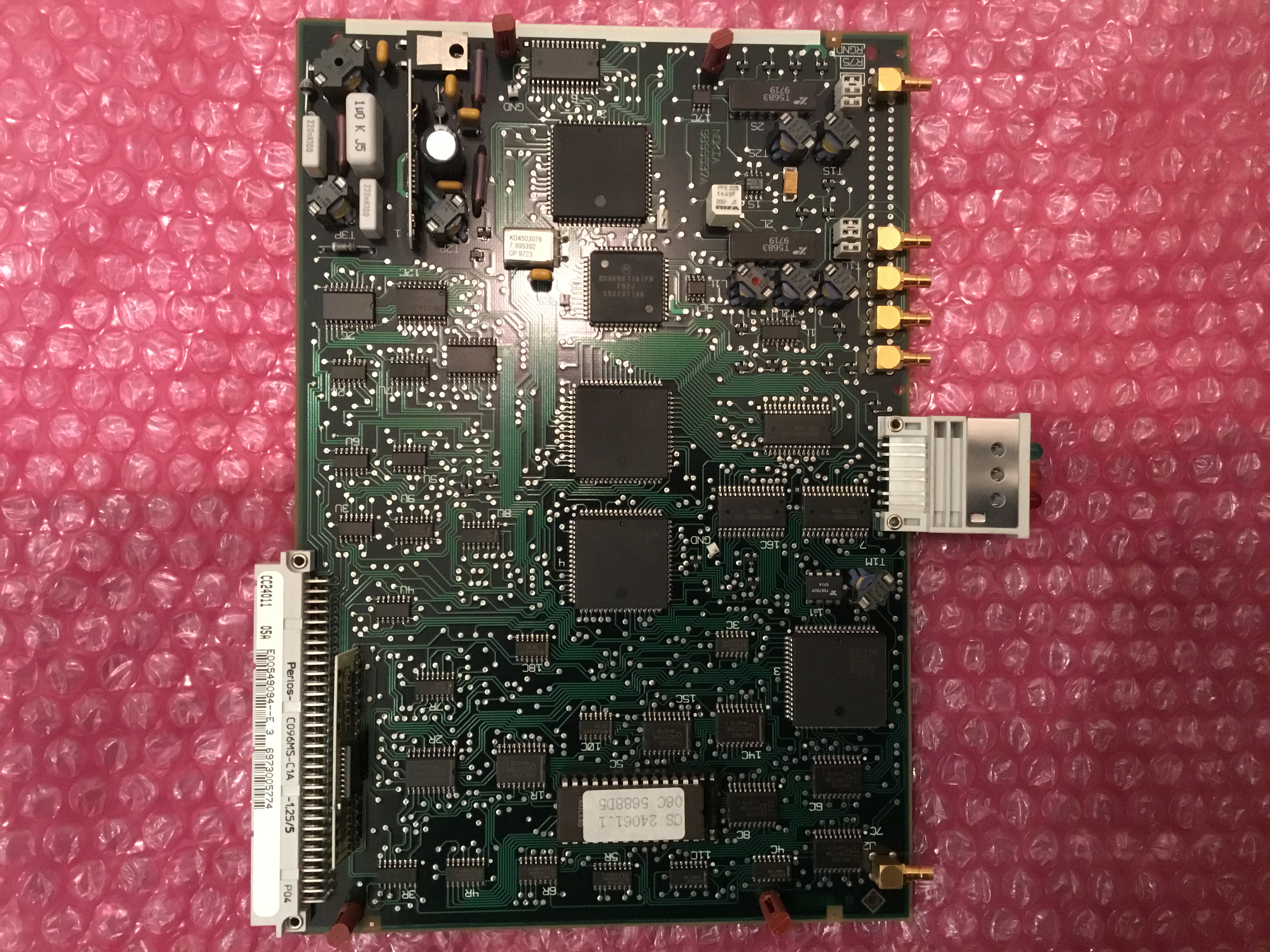
Whereas these products are no longer manufactured, @YellowsBestLtd is able to supply a limited amount of spare parts and/or offer repair services in order to aid customers in keeping their networks operational. There follows a non-exhaustive list of typical parts that can be supplied, we would be very pleased to receive specific requests for items that are needed.
A205HAT00080AAB
05HAT00080AAB
XMP (MK2) POWER SUPPLY 48/60V
AN00059057
62.7026.353.00-A001
PORT HDB3 (2)
AN00098224
62.7040.405.00-A001
MODUL V.11
AN00114784
62.7040.303.00-A001
ETHERNET ADAPTER
AN00118106
62.7006.430.00-A002
POWER SUPPLY 48-60V
A2AN00034165
Cable Clamp
A2AN00086011
CABLE CLAMP PANEL 1 HU
A2AN00086013
PATCH PANEL V.11
A2AN00102460
CCU-CENTRAL UNIT CC WITH QD2
A2AN00102463
SUBRACK XMP1 (16)
A2AN00109256
FRONTPANEL BLUE
A2AN00116240
Connecting Cable 2m
A2AN00214510
Connecting Cable Central Unit Protection
A2AN00214511
Ethernet Cable (5m)
A2AN0022815
DSK MODULAR
A2AN00274356
Input/Output Alarm Cable(2 O/P,3 I/P)
A2AN00276278
Connecting Cable 6m (Port HDB3) coax
A2AN00276281
Connecting Cable 20m (Port HDB2) coax
A2AN0034165
Cable Clamp
A2AN00702802
Mounting element
A205HAN00499AAC
XMP1-SL CROSS CONNECT
XMP1 spares
@YellowsBestLtd our mission is in “Keeping Customers Operational”. We’re always keen to enhance our range of #business services, increase the #enterprise infrastructure we support and expand our mix of #sustainable solutions we offer for supply and maintenance of new and legacy #technologies and products for our customers.
Please help us understand your management services or solutions requirements, whether you’re implementing new systems or maintaining existing infrastructure networks to serve your operational business needs.